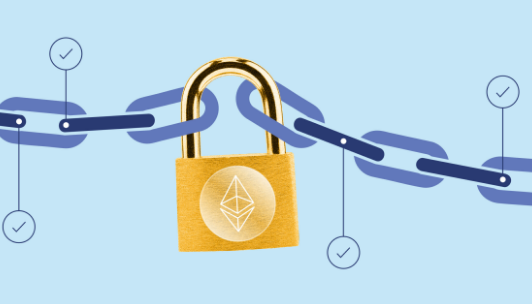
Blockchain technology offers a robust solution to various security challenges faced by modern digital systems. Its decentralized architecture enhances data integrity and reduces the risks associated with data manipulation. By implementing consensus mechanisms and advanced encryption, blockchain fosters trust among participants while safeguarding sensitive information. However, the implications of these features extend beyond mere data protection, raising questions about their effectiveness across different sectors. What specific vulnerabilities does blockchain address, and how does it transform security protocols?
What Security Issues Does Blockchain Address?
While various digital technologies face significant security vulnerabilities, blockchain technology offers a robust solution to several pressing issues prevalent in traditional systems.
It enhances data integrity through decentralized consensus, mitigating risks of manipulation. Furthermore, blockchain addresses scalability challenges by optimizing transaction throughput, essential for regulatory compliance.
This unique framework ensures that security is not compromised, empowering users with greater autonomy and trust in digital transactions.
Read Also: Technikti. Com – Explore the Latest in Technology at Technikti
How Blockchain Ensures Data Privacy
Blockchain technology not only addresses significant security vulnerabilities but also plays a pivotal role in ensuring data privacy.
Through sophisticated data encryption techniques, it protects sensitive information from unauthorized access.
Furthermore, its decentralized nature fosters user anonymity, allowing individuals to engage in transactions without revealing their identities.
This combination enhances privacy, empowering users to maintain control over their personal data in an increasingly interconnected world.
How Consensus Mechanisms Build Trust in Blockchain Systems
How can consensus mechanisms foster trust within blockchain systems?
By utilizing protocols such as proof of stake, these mechanisms ensure that participants validate transactions and maintain network integrity. This reduces the risk of Byzantine fault, where malicious actors attempt to disrupt consensus.
Consequently, trust is established as the decentralized network operates transparently and securely, enabling participants to engage freely without fear of manipulation.
Real-World Applications of Blockchain Security Across Industries
The implementation of consensus mechanisms has laid a strong foundation for trust within blockchain systems, paving the way for diverse applications across various industries.
In supply chain management, blockchain enhances transparency and traceability.
In finance, it secures financial transactions against fraud.
Healthcare records benefit from immutable data storage, while identity verification systems leverage blockchain to ensure authenticity and prevent identity theft.
Conclusion
In conclusion, blockchain’s decentralized architecture significantly enhances security by addressing vulnerabilities inherent in traditional systems. While critics may argue that the technology is complex and inaccessible for widespread adoption, its potential to safeguard sensitive data and foster trust among users is undeniable. As real-world applications demonstrate, blockchain not only mitigates risks of data manipulation but also paves the way for innovative solutions across various sectors, ultimately transforming the landscape of data security.