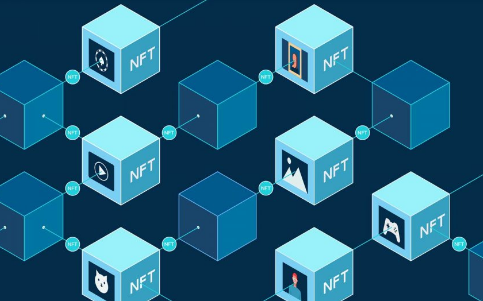
Blockchain technology functions as a decentralized ledger that records transactions across a network of nodes. Each transaction is verified and grouped into blocks, which are then linked in a chronological chain. This process employs cryptographic hashes to maintain data integrity and prevent unauthorized alterations. The elimination of intermediaries fosters a direct exchange between parties. Understanding the mechanics behind these elements is crucial to grasping the broader implications of blockchain in various sectors.
What Are the Core Components of Blockchain Technology?
The architecture of blockchain technology is defined by several core components that facilitate its functionality and security.
Central to this structure is the decentralized ledger, which ensures transparency and eliminates reliance on intermediaries.
Additionally, cryptographic hashing secures data integrity, encoding transaction details into irreversible hashes.
Together, these elements create a robust framework that empowers users, promoting trust and autonomy in digital transactions.
How Does Blockchain Operate?
Blockchain operates through a series of interconnected processes that ensure secure and transparent transactions.
Each transaction undergoes block validation, where nodes confirm its authenticity before inclusion in a block. Once validated, transactions are linked through transaction chaining, creating an immutable ledger.
This decentralized framework empowers individuals by facilitating direct peer-to-peer exchanges, thereby enhancing autonomy and reducing reliance on traditional intermediaries.
What Makes Blockchain So Secure?
A multitude of factors contribute to the robust security of blockchain technology. Central to its integrity are cryptographic hashing and decentralized consensus.
Cryptographic hashing ensures that any alteration in data results in a completely different hash, thus safeguarding against tampering.
Meanwhile, decentralized consensus mechanisms prevent a single point of failure, enhancing resilience and trust among participants, ultimately fostering a secure digital environment.
Real-World Uses of Blockchain
Leveraging its secure framework, blockchain technology has found diverse applications across various industries.
In supply chain management, it enhances transparency and traceability, allowing stakeholders to verify product origins.
Similarly, in the realm of digital identity, blockchain provides a decentralized solution that empowers individuals to control their personal information, minimizing fraud and enhancing privacy.
These innovations exemplify blockchain’s potential to foster autonomy and security.
Conclusion
In conclusion, blockchain technology exemplifies a revolutionary shift in digital transactions, ensuring security, enhancing transparency, and fostering trust. By decentralizing control, validating transactions through consensus, and employing cryptographic measures, it establishes a robust framework for various applications. As industries continue to explore its potential, the principles of immutability, authenticity, and efficiency will drive innovation. Ultimately, the evolution of blockchain promises not only to transform financial systems but also to redefine the landscape of digital interactions.