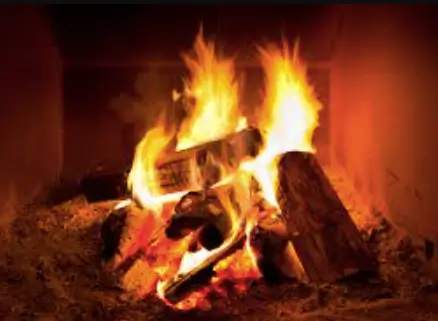
A fireplace adds warmth, comfort, and charm to any home, especially during cold seasons. However, many homeowners overlook the importance of maintaining the chimney system that supports it. Over time, soot, creosote, debris, and moisture can build up inside the chimney, gradually affecting its performance and safety. Professional chimney cleaning in Boston services play a crucial role in maintaining the efficiency and longevity of fireplaces by ensuring that the entire system remains clean, safe, and fully functional. Regular chimney cleaning is not just about appearance or routine maintenance; it directly impacts the lifespan of your fireplace and helps prevent costly repairs and safety hazards.
Understanding How Fireplaces and Chimneys Work
The Role of the Fireplace System
A fireplace works by burning fuel, typically wood or gas, to produce heat. The chimney then serves as a ventilation system, directing smoke, gases, and combustion byproducts safely out of the home. This airflow is essential for maintaining proper combustion and indoor air quality.
Importance of Proper Ventilation
Efficient ventilation ensures that smoke and harmful gases do not enter the living space. When the chimney is clean and unobstructed, it allows smoke to exit smoothly while drawing in fresh air to sustain the fire.
How Blockages Affect Performance
When debris or buildup accumulates inside the chimney, it restricts airflow. This can lead to poor fireplace performance, excessive smoke, and increased strain on the entire system.
What Builds Up Inside a Chimney
Creosote Formation
Creosote is a sticky, highly flammable substance that forms when wood burns incompletely. It is one of the most common byproducts found in chimneys and poses a significant fire hazard if not removed regularly.
Soot and Ash Accumulation
Soot and ash are natural byproducts of combustion. Over time, these materials accumulate on the interior walls of the chimney, reducing airflow and efficiency.
Debris and External Blockages
Leaves, twigs, animal nests, and other debris can enter the chimney from the outside. These blockages can obstruct airflow and create dangerous conditions if not addressed promptly.
Why Regular Chimney Cleaning Is Essential
Preventing Chimney Fires
One of the most important reasons for regular chimney cleaning is fire prevention. Creosote buildup is highly flammable, and even a small spark can ignite it, leading to a dangerous chimney fire.
Improving Fireplace Efficiency
A clean chimney allows air to flow freely, which improves combustion efficiency. This means the fireplace burns fuel more effectively, producing more heat with less waste.
See also: Decorator Advice .Com – Expert Home Decorating Advice at Decoratoradvice
Reducing Smoke and Odors
Blocked chimneys often cause smoke to back up into the home. Regular cleaning prevents this issue and ensures that smoke is properly vented outside.
Enhancing Indoor Air Quality
A clean chimney helps maintain better indoor air quality by preventing the release of harmful gases and particles into living spaces.
How Chimney Cleaning Extends Fireplace Life
Reducing Structural Damage
Soot and creosote contain acidic compounds that can slowly degrade chimney walls. Over time, this leads to cracks and deterioration. Regular cleaning removes these substances, preserving the structural integrity of the chimney.
Preventing Moisture Damage
Blocked chimneys can trap moisture, leading to mold growth and masonry damage. Cleaning ensures proper airflow, reducing moisture buildup and protecting the chimney structure.
Avoiding Costly Repairs
When chimneys are neglected, minor issues can escalate into major structural problems. Regular maintenance helps identify and address issues early, saving homeowners from expensive repairs.
Common Signs Your Chimney Needs Cleaning
Poor Fireplace Performance
If your fireplace is producing less heat or burning inefficiently, it may be due to restricted airflow caused by buildup inside the chimney.
Excessive Smoke Indoors
Smoke entering the home instead of exiting through the chimney is a clear sign of blockage or poor ventilation.
Strong Odors From the Fireplace
Unpleasant odors coming from the fireplace often indicate creosote buildup or trapped debris inside the chimney.
Visible Soot or Creosote
Dark, sticky deposits inside the chimney or around the fireplace opening suggest that cleaning is overdue.
Professional Chimney Cleaning Process
Inspection and Assessment
Before cleaning begins, professionals inspect the chimney to assess its condition. This helps identify buildup levels, blockages, and any structural issues that need attention.
Removing Soot and Creosote
Specialized tools are used to remove soot and creosote from the chimney walls. This step is essential for reducing fire risk and improving airflow.
Clearing Blockages
Any debris, nests, or obstructions are carefully removed to ensure the chimney is fully clear and functional.
Final Inspection and Safety Check
After cleaning, a final inspection ensures that the chimney is safe, clean, and ready for use. This step confirms that no issues have been overlooked.
Types of Chimney Cleaning Methods
Manual Brushing
This traditional method involves using brushes of various sizes to scrub the interior walls of the chimney and remove buildup.
Vacuum-Assisted Cleaning
High-powered vacuums are used to capture soot and debris during cleaning, preventing mess and improving efficiency.
Chemical Cleaning
In some cases, chemical agents are used to break down creosote deposits, making them easier to remove during cleaning.
Risks of Neglecting Chimney Cleaning
Fire Hazards
The most serious risk of neglecting chimney maintenance is the potential for chimney fires caused by creosote buildup.
Carbon Monoxide Exposure
Blocked chimneys can cause dangerous gases like carbon monoxide to enter the home, posing serious health risks.
Structural Deterioration
Over time, buildup and moisture can weaken chimney materials, leading to cracks, leaks, and costly structural damage.
Benefits of Hiring Professional Chimney Cleaners
Expert Knowledge and Experience
Professional chimney cleaners understand how different chimney systems work and how to clean them safely and effectively.
Advanced Tools and Equipment
Specialized tools allow professionals to clean chimneys thoroughly without damaging the structure.
Thorough Safety Inspections
In addition to cleaning, professionals inspect the chimney for potential hazards and recommend necessary repairs.
Homeowners can maintain chimney health by following simple preventive practices such as:
- Scheduling regular professional inspections
- Ensuring proper burning practices to reduce creosote buildup
Maintenance Tips for a Longer-Lasting Fireplace
Using Seasoned Wood
Burning dry, seasoned wood reduces smoke and creosote formation, helping keep the chimney cleaner for longer periods.
Avoiding Overloading the Fireplace
Overloading the fireplace can lead to incomplete combustion, increasing soot and creosote buildup.
Scheduling Annual Inspections
Annual chimney inspections help detect early signs of damage or buildup, ensuring timely maintenance.
How Regular Cleaning Improves Safety and Efficiency?
Better Airflow and Combustion
A clean chimney supports proper airflow, which improves combustion and increases heating efficiency.
Reduced Risk of Blockages
Regular cleaning prevents debris accumulation, ensuring that the chimney remains fully functional throughout the year.
Improved Energy Efficiency
Efficient burning reduces fuel consumption, making the fireplace more cost-effective to operate.
Long-Term Value of Chimney Maintenance
Protecting Home Investment
Regular chimney maintenance helps protect one of the most important features of a home, preserving its value and functionality.
Enhancing Home Comfort
A well-maintained fireplace provides consistent warmth and comfort during colder months.
Increasing System Lifespan
Consistent cleaning and maintenance significantly extend the lifespan of both the chimney and fireplace system.
Conclusion
Regular chimney cleaning is essential for maintaining the safety, efficiency, and longevity of your fireplace. By removing creosote, soot, and debris, homeowners can prevent fire hazards, improve airflow, and protect the structural integrity of their chimney system. Professional cleaning services ensure that every part of the chimney is properly inspected and maintained, reducing the risk of costly repairs and enhancing overall performance. With consistent care and attention, a fireplace can remain a reliable and beautiful feature of the home for many years. For homeowners seeking reliable maintenance solutions, working with a trusted Chimney Cleaning Company in Boston ensures expert care and long-term protection for their fireplace system.